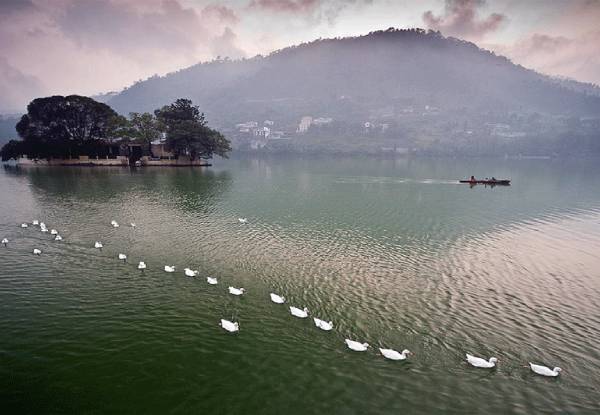
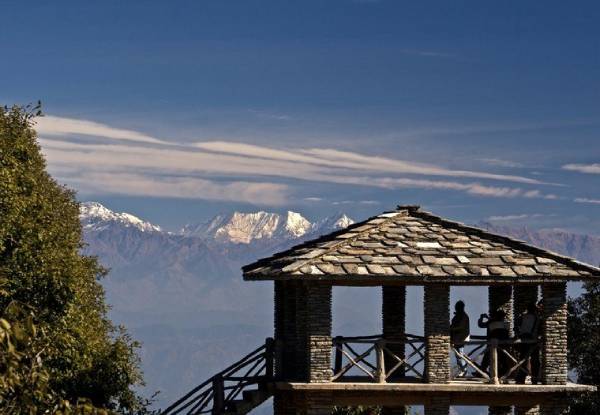
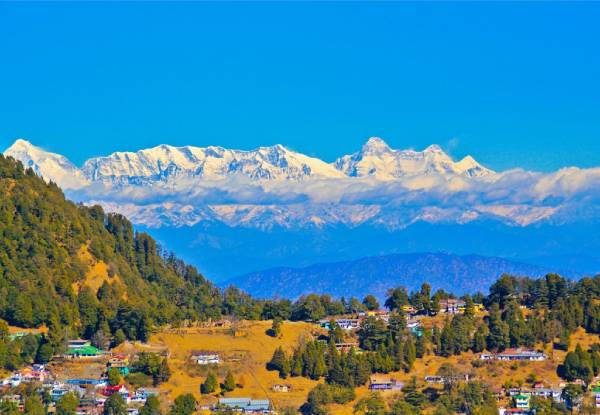
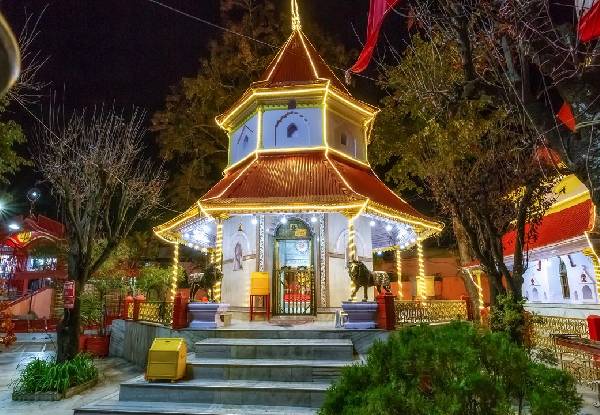
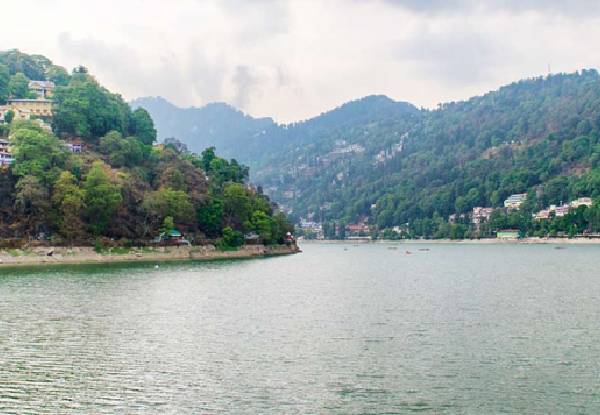
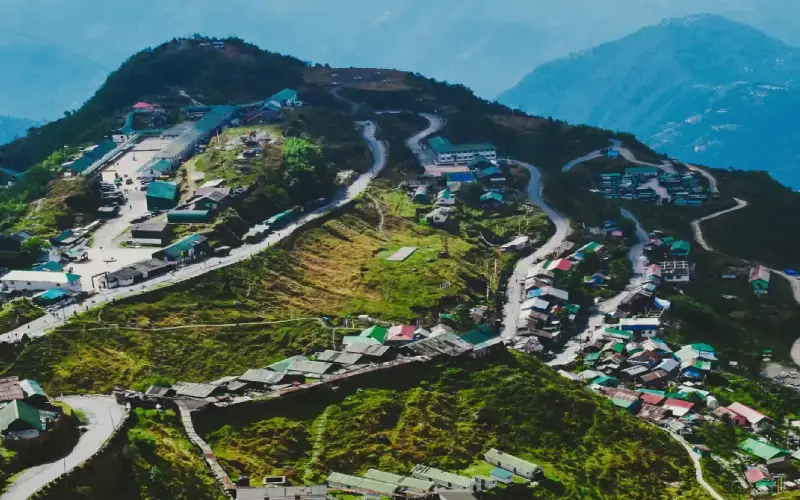
Nainital, British India’s favourite summer resort area , may be a popular hill station located within the Kumaon region of Uttarakhand. Many believe that the world was like the Cumbrian Lake District in England and thus led the homesick Englishmen to flock to Nainital. Today, while the bustling town, perched on a mountain top within the Great Himalayas, may have increased in size, with its high-rises mingling with colonial-style bungalows, it retains its old-world charm. Situated at a height of 1,938 m, Nainital was once a website of 60 lakes, the foremost important being the Naini Lake, around which the town grew.
There are various legends related to its name. As per one, Nainital was named after its resident deity Goddess Naina. Another legend tells the story of Sati, who immolated herself when her father didn’t invite her husband Lord Shiva to his yagna (religious fire ritual). Enraged, Lord Shiva carried her body and traversed the universe. it’s believed that so as to guard the universe from Shiva’s wrath, Lord Vishnu shredded Sati’s body together with his chakra. Many believe that Sati’s eyes fell at this spot and thus it’s been named as Nainital, wherein ‘nain’ means eyes and ‘tal’ means lake. There are many mythological references related to Nainital. it’s mentioned within the Manas khand of the Skanda Purana as Tri-Rishi-sarovar where three sages, so as to quench their thirst, dug a hole and channelled water from the holy lake of Mansarovar in Tibet. Not just a well-liked tourist destination, Nainital is taken into account holy by Hindus also .