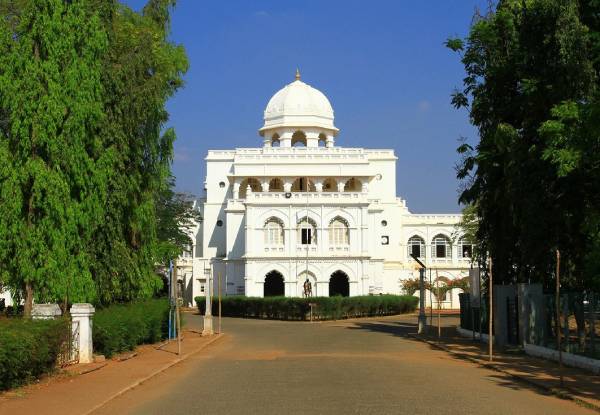
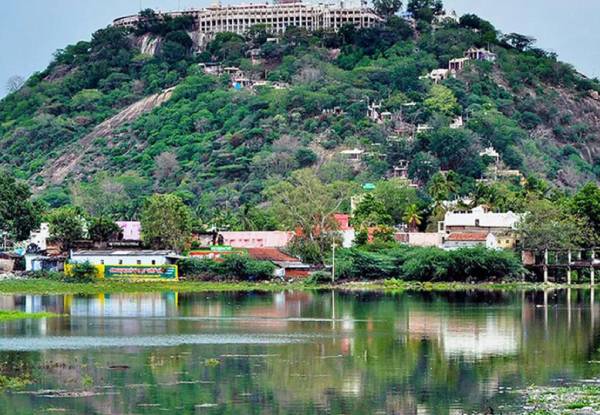
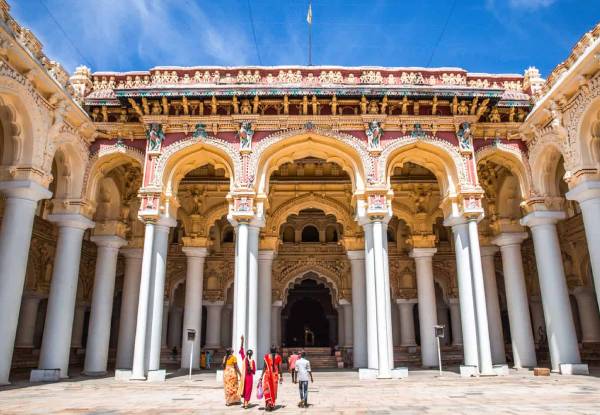
One of the oldest living cities, Madurai, holds the soul of Tamil Nadu in its magnificent and grand temples that are among the best and most awe-inspiring specimens of architecture within the country. the foremost spectacular of those is that the Meenakshi-Sundareswarar Temple, which is that the heartbeat of the town and is visited by thousands of devotees. Madurai once traded with ancient Rome and it preserves its distinct character in various arts and textiles that are bestowed by the Pandian kings (4th century-16th century). From exquisite sarees to wooden toys and sculptures,
Madurai may be a hub of shopping, where visitors can find a fine selection of unique and handmade products. After a busy and vibrant sample of the city’s bustling streets, tourists can take a respite within the serene and scenic hill stations flanking the town . From the picturesque hill station of Kodaikanal to splendid waterfalls, Madurai is surrounded by natural beauty that leaves you breathless.
Earlier referred to as Madhurapuri and Thoonga Nagaram, meaning a city that never sleeps, Madurai grew round the Meenakshi Amman Temple, which was constructed 2,500 years ago by Pandian king, Kulasekhara. Popularly called the Athens of the East, it had been visited by Greek explorer, Megasthenes in 3rd century BC. Other famous travellers who visited this ancient south Indian city included Pliny in 77 AD, Ptolemy in 140 AD, Polo in 1203 AD and Ibn Batuta (1333 AD). Legend has it that king Kulasekhara once dreamt of Lord Shiva, from whose hair, drops of sweet madhu (nectar) rolled down on earth. the purpose where they fell was referred to as Madhurapuri.