
 01
Tawang Monastery
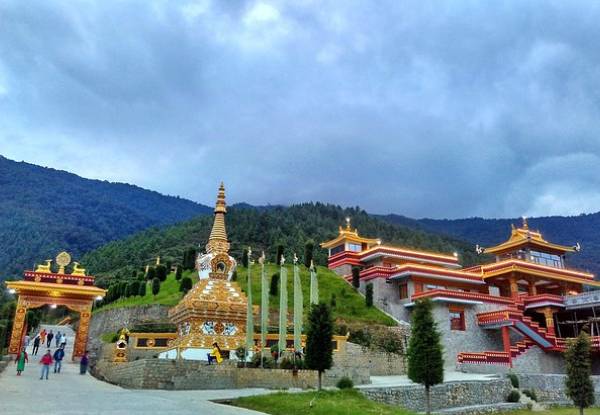
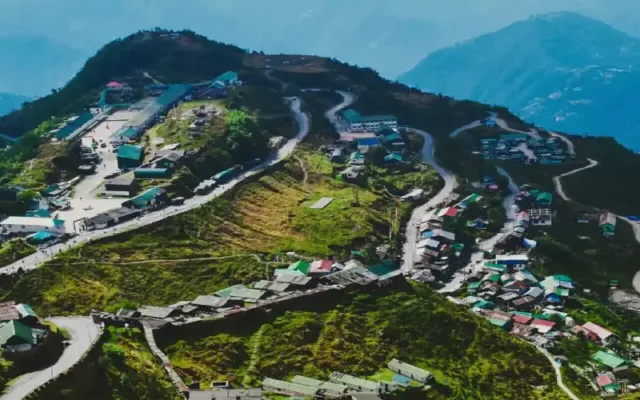
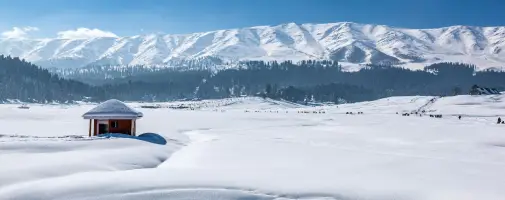
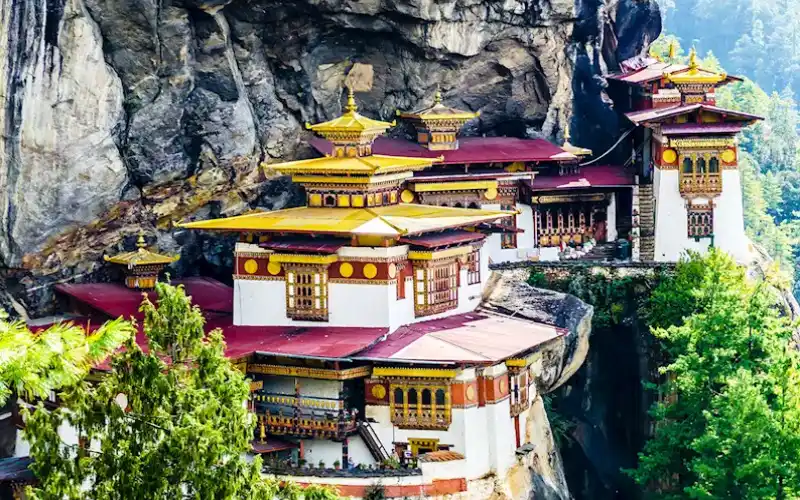
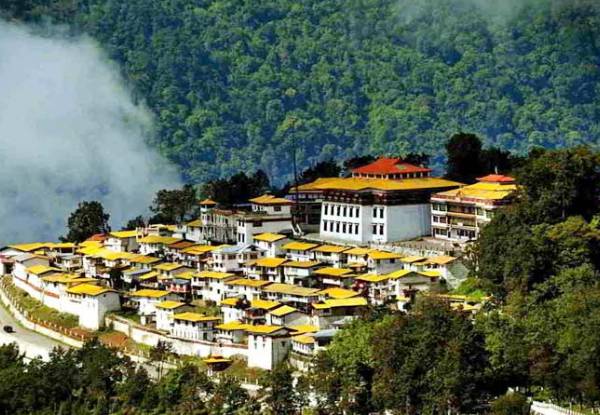
Tawang Monastery is that the social, cultural and spiritual focus of the whole valley. Perched on a hill, about 10,000 ft above water level , this monastery is that the largest in India and overlooks ravines within the south and therefore the west, a narrow ridge on the north and gradual slope towards the east. In winter, it gets covered during snowfall, adding to its beauty. The majestic monastery are often entered from its northern side through the gate ‘Kakaling’, a hut-like structure with walls made from stone. The ceiling or the inside roofs of the Kakaling are painted with Mandalas or the Kying-Khores, while the within walls are painted with pictures of saints and divinities. After Kakaling, comes the most gate of the monastery on its northern side. Its eastern wall is about 925 ft long. a serious highlight of the monastery may be a 25-ft-high golden statue of Lord Buddha, seated on a lotus throne flanked by his two principal attendants, Maudgalyayana and Sariputra, each with a staff and a bowl in hand. Three storeys high, the Tawang Monastery is surrounded by a 925-ft (282 m)-long compound wall and houses 65 residential buildings. It also boasts a library that houses valuable old scriptures, mainly Kangyur and Tengyur. The monastery holds an excellent historical significance and was founded in 1681, in accordance with the needs of the 5th Dalai Lama , Ngawang Lobsang Gyatso. The word ‘Tawang’ literally translates into chosen by a horse and legend has it that the location of this monastery is believed to possess been chosen by a horse owned by Mera Lama Lodre Gyatso, the founder. The sixth Dalai Lama , Tsangyang Gyatso, was born in Tawang, making it a serious holy site for Tibetan Buddhists. The Tawang Monastery, in Tibetan, is understood as Galden Namgey Lhatse, which translates to celestial paradise on a transparent night. The monastery belongs to the Gelugpa sect.