About Satara
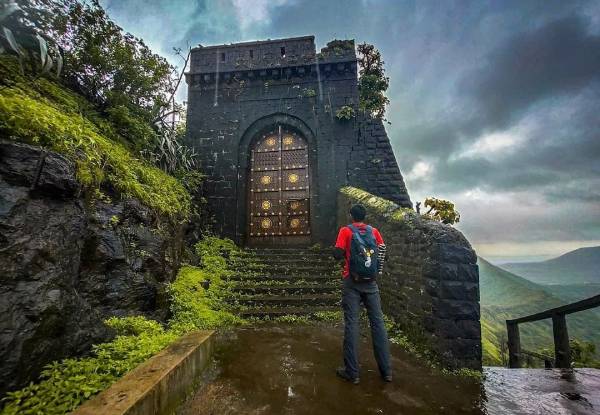
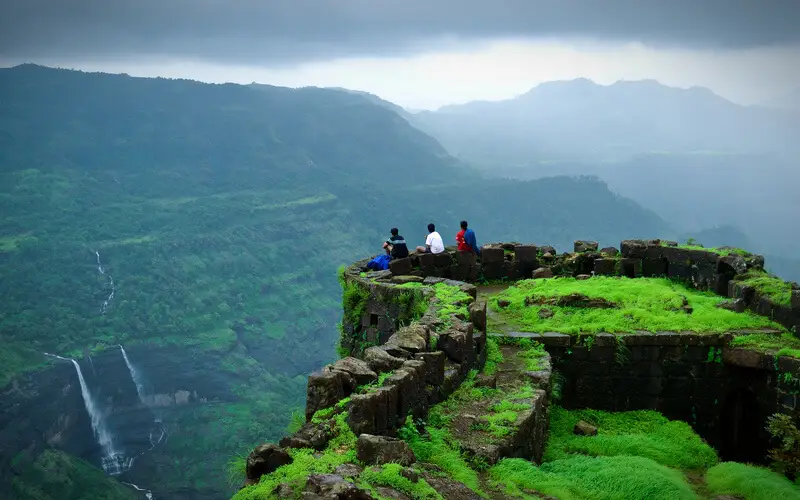
Satara is an old city in Maharashtra, which is surrounded by the scenic hills of Sahyadri and is home to forts, temples, waterfalls, lakes, and rich Maratha heritage. The city, surrounded by mountains and lush landscapes, provides a mix of history, nature and traditional Maharashtrian culture. Satara has a significant role in the history of the Marathas and was the capital of the Chhatrapati rulers. This historic Ajinkyatara Fort overlooks the city and offers a panoramic view of Satara city and surrounding hills. The strategic importance of the area during the Maratha period is also seen in other nearby forts and historic places.
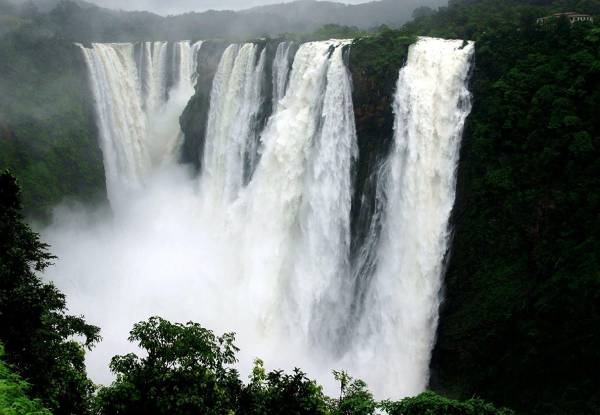
The area is also renowned for its scenic beauty. The nearby hills are lush with greenery, and the waterfalls are at their best in the monsoon season, making Thoseghar Waterfalls another of Satara's attractions. Another popular spot in the area is Kaas Plateau, a seasonal wildflower farm. Some of the important temples and religious places in Satara are the historic Sajjangad, which is dedicated to the revered saint Samarth Ramdas. The local food is another way to taste the traditional flavor of western Maharashtra and is available at the traditional markets of the city.
Satara is a great place for tourists who like Maratha history, nature, trekking, spirituality and the rural environment of Maharashtra, its scenery and its set of historic forts.
Best Time to Visit Satara
Satara is best visited from October to the end of February when the weather is suitable for outdoor activities and visiting forts, temples and viewpoints. During the cooler months, it is a very pleasant place to visit and hike the surrounding hills.
Satara is a place that undergoes a complete metamorphosis in the monsoons (June to September), when it becomes a lush, green, waterfall-filled, misty, and hill-topped landscape. It is also a tourist season for visiting places like Thoseghar Waterfalls and touring the picturesque countryside, but during periods of heavy rainfall, some trekking routes and roads may become difficult to navigate. The weather is warmer from March to May, but early mornings and evenings can be suitable for sightseeing. Kaas Plateau is also a favourite time for flowers, usually between late monsoon and early autumn.
Satara: Places, Experiences & Food
Places to Visit in Satara
- Ajinkyatara Fort
- Sajjangad Fort
- Kaas Plateau
- Thoseghar Waterfalls
- Kaas Lake
- Chalkewadi Windmill Farms
- Pratapgad Fort
- Lal Mahal
- Pateshwar Temple
- Dholya Ganapati Temple
- Bhambavli Vajrai Waterfall
- Bamnoli
- Shivsagar Lake
Things to Do in Satara
- Explore the historic Ajinkyatara Fort
- Sajjangad and learn about Samarth Ramdas
- Explore the scenic Kaas Plateau
- See the seasonal wildflowers of Kaas
- Visit Thoseghar Waterfalls during the monsoon
- Explore the Chalkewadi windmill farms
- Visit historic Pratapgad Fort
- Panoramic views of the Sahyadri hills
- Ancient temples around Satara
- Trekking through the surrounding hills
- Visit Kaas Lake and enjoy the scenic surroundings
- Bamnoli and the backwaters of Shivsagar Lake
- Discover the region's Maratha history
- Maharashtrian culture and markets
- Taste local Satara and western Maharashtra cuisine
What to Eat in Satara
- Misal Pav
- Kanda Bhaji
- Batata Vada
- Vada Pav
- Pithla Bhakri
- Zunka Bhakri
- Thalipeeth
- Sabudana Vada
- Sabudana Khichdi
- Bharli Vangi
- Matki Usal
- Maharashtrian Thali
- Kanda Poha
- Puran Poli
- Shrikhand
- Basundi
- Modak
- Bhakri with Thecha
- Local Maharashtrian Sweets