Patiala


Located in the southeast part of Punjab, Patiala is a city with rich cultural heritage, magnificent structures, traditional arts and music and a unique Punjabi culture. Patiala was established in 1763 by Baba Ala Singh and later became the capital of the princely state of Patiala, which was an important cultural and court centre for the Punjab. The city is especially renowned for its grand Qila Mubarak, its stunning palaces, historic gardens and its rich heritage of Hindustani classical music (Patiala Gharana). Patiala is also known for parandas, traditional Punjabi jewellery, traditional textiles, and the iconic Patiala Shahi turban. It has vibrant markets where you can find traditional attire, handicraft items and local goods. The city's culinary scene is equally charming, featuring hearty Punjabi cuisine and renowned local drinks. Patiala is a city that allows tourists to experience the royal history of Punjab, its artistic legacy, culture, and its hospitality.


Best Time to Visit Patiala
Patiala is an ideal tourist destination from October to March as the weather is pleasant and comfortable for sightseeing and outdoor activities. Palaces, forts, gardens, museums and traditional markets are great places to go in the winter months. The summers (April-June) are hot and the monsoon season (July – September) is rainy and humid.


Patiala: Places, Experiences & Food
Places to Visit in Patiala

  • Qila Mubarak
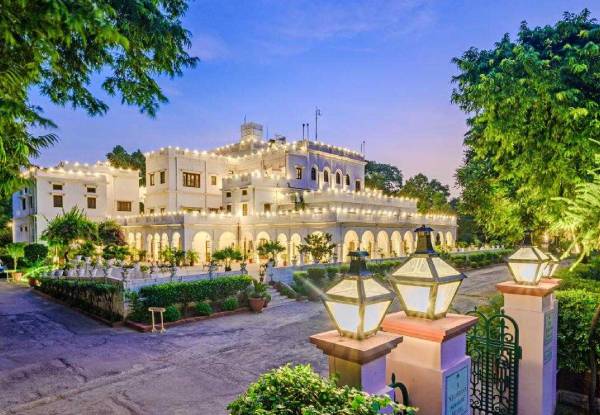
  • Moti Bagh Palace
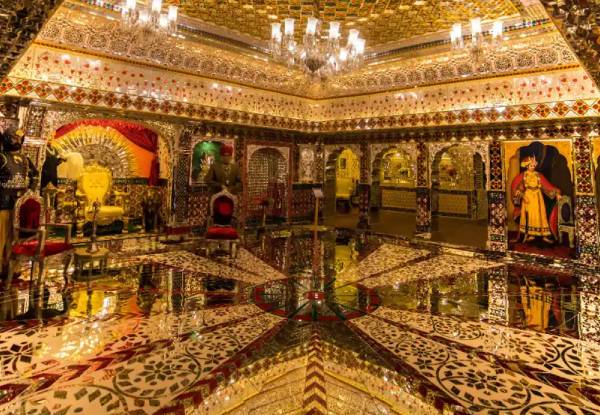
  • Sheesh Mahal
  • National Institute of Sports
  • Baradari Gardens
  • Qila Androon
  • Darbar Hall
  • Kali Temple
  • Gurdwara Dukh Nivaran Sahib
  • Gurdwara Moti Bagh Sahib
  • Bahadurgarh Fort
  • Patiala Heritage Walk
  • Bir Moti Bagh Wildlife Sanctuary
  • Patiala State Museum
  • Mall Road


Things to Do in Patiala

  • Explore Qila Mubarak
  • Visit Moti Bagh Palace
  • Admire the artwork at Sheesh Mahal
  • Walk through Baradari Gardens
  • Visit Gurdwara Dukh Nivaran Sahib
  • Explore Qila Androon
  • Visit Kali Temple
  • Discover Patiala’s royal history
  • Experience Punjabi classical music traditions
  • Shop for Patiala Shahi turbans
  • Shop for traditional Punjabi jewellery
  • Explore local bazaars
  • Try authentic Punjabi cuisine
  • Take a heritage walk
  • Explore the city’s traditional arts and crafts


What to Eat in Patiala

  • Patiala Shahi Lassi
  • Amritsari Kulcha
  • Chole Bhature
  • Butter Chicken
  • Tandoori Chicken
  • Dal Makhani
  • Sarson Ka Saag
  • Makki Ki Roti
  • Rajma Chawal
  • Aloo Paratha
  • Paneer Tikka
  • Tandoori Fish
  • Chole Kulche
  • Jalebi
  • Phirni

How To Get There

By Air

The nearest airstrip is Chandigarh airport, which is connected to other cities of India.

By Road

There are regular buses to Patiala from major cities in India.

By Rail

Patiala is well-connected to most of the major railheads of the country.

Bahadurgarh Fort 01

Bahadurgarh Fort

Lying on the outskirts of the town , the majestic Bahadurgarh Fort may be a prominent tourist attraction. inbuilt the 17th century by first settler nawab Saif Khan during the reign of Mughal emperor, Aurangzeb, the fort is believed to possess been called Saifabad. There are many notable Islamic-style monuments near the fort, including the Diwan-e-Aam and a chic mosque. Tourists also can visit the nawabs tomb that lies a stones throw from the fort. it’s said that the fort was renamed afterward to commemorate the stay of the ninth Sikh Guru, Guru Tegh Bahadur. Thus, it’s called the Bahadurgarh Fort now. With time it had been renovated and a gurdwara was built by Maharaja Karam Singh of Patiala within the 19th century. Since 1989, the grounds of the fort function the Punjab Police Commando Training School.

Sheesh Mahal 02

Sheesh Mahal

Lying a step from the Old Moti Bagh Palace, the Sheesh Mahal may be a sprawling structure that’s three-storeys-high. It reflects vestiges of both European and Mughal sorts of architecture. This palatial structure was constructed by Maharaja Narendra Singh, a Jat ruler of Patiala (1846-1858) to offer space to artists, poets and students who regularly visited his court. Today, Sheesh Mahal has been converted into a museum that holds an interesting collection of art and sculpture. you’ll also find miniature paintings, carved metal and ivory artefacts from Kashmir, Tibet, Punjab and Burma. The taxidermy gallery within the museum may be a must-visit and holds an eclectic collection of mounted animals and birds. There are many manuscripts here also , chief of which may be a copy of Gulistan Bostan, believed to be the best Sufi classic that was once owned by Mughal emperor Shah Jahan . Its pages are illustrated in gold and it’s indeed a logo of the opulence of the rulers of that point . a stimulating feature of the museum is its medal gallery that houses one among the most important numbers of decorations and medals within the world.

Sarai Mughal 03

Sarai Mughal

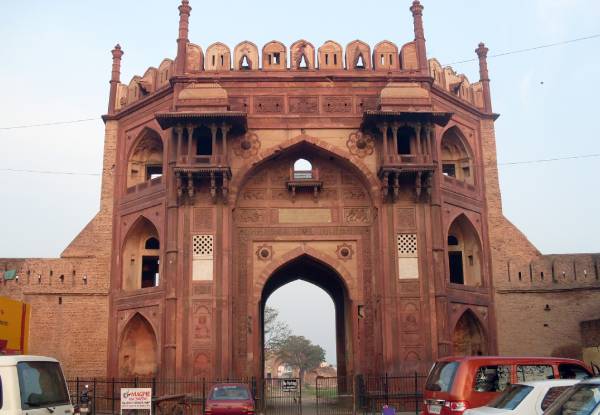
Situated in Shambhu village, Mughal Sarai was built by Sher Shah Suri as a layby along the busy trade route, now recognised because the Grand highroad . it’s believed to be the emperor’s most ambitious project. the massive compound of the sarai has two majestic gates and a two-storeyed mosque. A deep well and a baradari are located just outside and are open for the utilization of passing travellers. the luxurious and well-laid gardens act a respite from the warmth for visitors, who can come and relax here. Another heritage site that one can stop over at is that the majestic Bahadurgarh Fort, lying on the outskirts of the town . it had been inbuilt the 17th century by the primary settler nawab Saif Khan during the reign of Mughal emperor, Aurangzeb.

Travel Journal

Stories, Secrets, And Insights To Inspire Your Next Adventure

Travel tips, detailed itineraries and cultural insights from our team in Jaipur — everything you need to plan your perfect India journey.

01/ 10 All stories
Travel by Interest

From Culture To Adventure — Find The Journey That Matches Your Soul