CHHATTISGARH TRIBES
There are many sorts of tribals in India, and Chhattisgarh is home to several of them. In fact, the state has India’s oldest tribal communities, and it’s safe to assume that the earliest tribals are living in Bastar for over 10,000 years.
The main tribes in Chhattisgarh are:
Bastar – Gond, Abujmaria, Bisonhorn Maria, Muria, Halba, Bhatra, Parja, Dhurvaa,
Dantewara – Muriya, Dandami Mariya or Gond, Dorla, Halba
Koriya – Kol, Gond, Bhunjia
Korba – Korwa, Gond, Rajgond, Kawar, Bhaiyana, Binjwar, Dhanwar
Bilaspur and Raipur – Parghi, Savra, Manji, Bhayna
Gariabandh, Mainpur, Dhura, Dhamtari – Kamar
Surguja and Jashpur – Munda
Each of those has its own rich (and distinctive) history and culture of music, dance, dress, and food. What’s common to all or any is a simple, basic, in-tune-with-nature way of life that has changed little over centuries because it works so well. Marriages tend to require place within the tribe. Both burial and cremation are used for the dead, but since cremation involves multi-day rituals, which are expensive, it’s not so common. Important elders, though, are always cremated.
Information ABOUT CHHATTISGARH TRIBES
Tribal village of Chhattisgarh
A visit to a tribal village for a taste of life because it once was, is a must – an overnight stay is often arranged on special request. These villages are immaculately clean and have winding mud roads running through them. Typically, tribal houses are made entirely of mud with thatched or red-tiled roofs. Each village tends to specialize in a specific quite a handicraft – pottery, bell-metal work, ironwork. it’s useful to require a guide who knows and respects the tribes. Just avoid going when there’s a haat on nearby because the village empties out on those days. The tribals are a touch shy, but friendly – they’re as interested by you as you’re about them! they’re going to welcome your interest, goodbye as you are doing not treat them as exotic exhibits. So, smiling, asking questions on local customs, appreciating their crafts and culture is perfectly acceptable, gawping, clicking pictures without permission, and dispensing money isn’t.
Dance of Tribes of Chhatisgarh
Dances are the chief amusement of the tribals. Like all folk dances, they’re community affairs, characterized by robustness and earthiness. All the dances are group dances involving complex footwork, and that they are wonderful to watch! The dancers are usually during a line, gyrating during a circle, always within the anti-clock direction. The most spectacular dances are those of the Maria tribes. the lads lace a strip of fabric around their torso, wear head-dresses of peacock and cock feathers, and tie bells around their wrists and ankles. Some also wear stag and bison horns on the top. In the case of the Bison-horn Marias, the boys and girls dance in separate sub-groups, with the steps of the women being simpler. Drum-beats are central to the dance. In the case of the Hill-Marias, the group is usually mixed, with a woman between two boys. the lads wear heavy buttock-bells. Singing is vital in these dances.
Chhattisgarh tribals jewelry
Both men and ladies wear ornaments – actually, at celebrations, it’s the lads who are more gaily bedecked! Most of the ornaments are made from beads (made from bones, seeds, wood) worn as laces, ropes, fillets, and collars. Earlier, iron, brass, and copper wires were into armlets; today, silver and gold are used. Gold is worn mainly on the ear, nose, and neck (men wear gold collars to point their standing within the village), not on the hands and legs. Silver is worn on the neck (as a circle); on the wrist (as a free, empty, wound cylindrical arm band); on the legs (as a strong, square-bar anklet, angled underneath the lower leg bones). Conical twin-tops are common within the nostrils and ear lobes. Rings are worn on the helix of the ear. Precious stones aren’t very fashionable, but when used, red and green stones are preferred, mainly due to their bright colors. Tassels of red wool are still worn by both men and ladies of the Hill-Maria tribe. You can buy tribal ornaments and combs from any of the main haat bazaars also as within the jewelry showrooms within the towns of Jagdalpur, Kanker, and Kondagaon.
Stories, Secrets, And Insights To Inspire Your Next Adventure
Welcome to the Namaskar India Tour blog, your ultimate guide to exploring the beauty of India. Stay updated with travel tips, detailed itineraries, cultural experiences, and insights into the best destinations across the country. From iconic landmarks to hidden gems, our blog helps you plan your perfect journey
Best Adventure Tour Packages in India fo...
Blessed with an amazing landscape, India offers limitless opportunitie...
Read More
Best Luxury Wildlife Safari Experiences...
India is a place of immense diversity of wildlife, with some of the mo...
Read More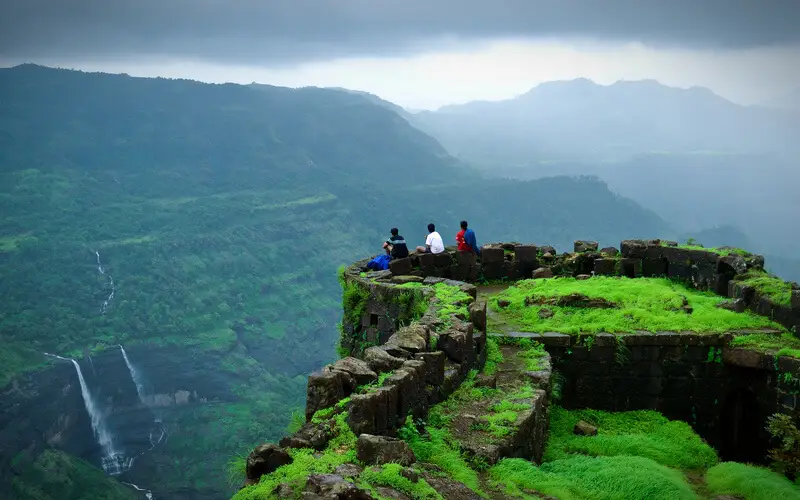
Best Monsoon Destinations in India for a...
During the monsoon, India becomes a gorgeous paradise. Dry hills becom...
Read More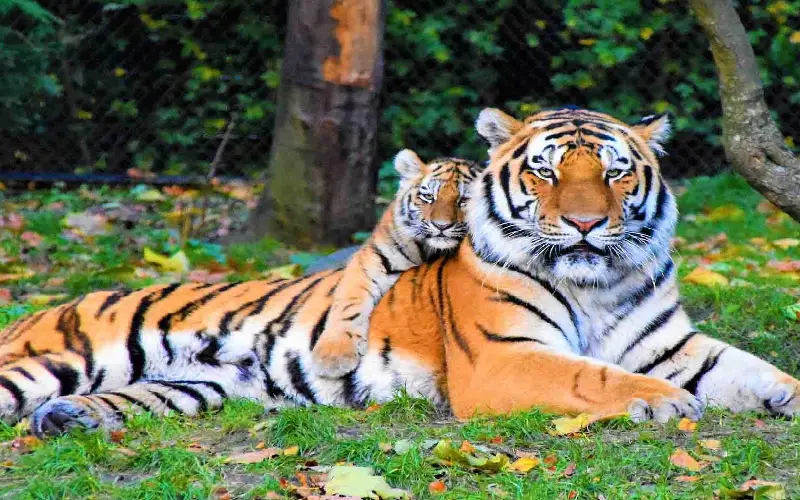
Best National Parks in India for Wildlif...
The combination of India's great variety of landscape, r...
Read More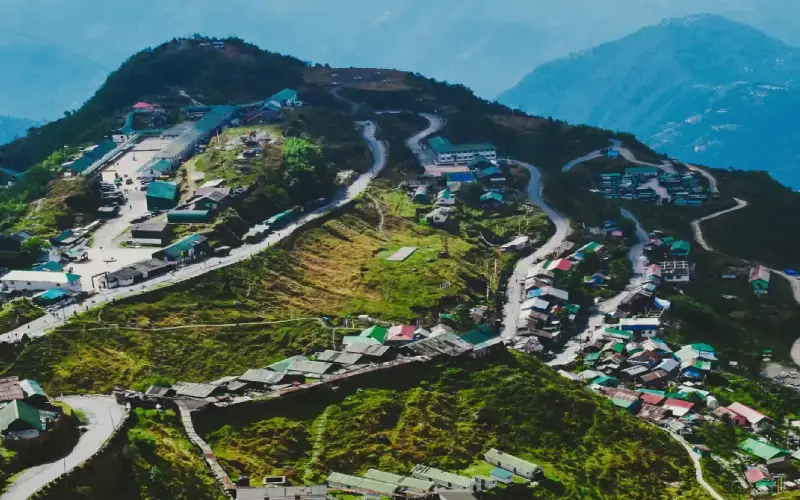
Top Himalayan Destinations in India for...
The Himalayas are more than just a mountain range - they are a world o...
Read More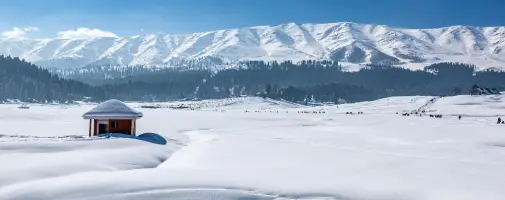
Top Places in India for Snowfall During...
The majestic hills of India turn into an awesome magical land of snow-...
Read More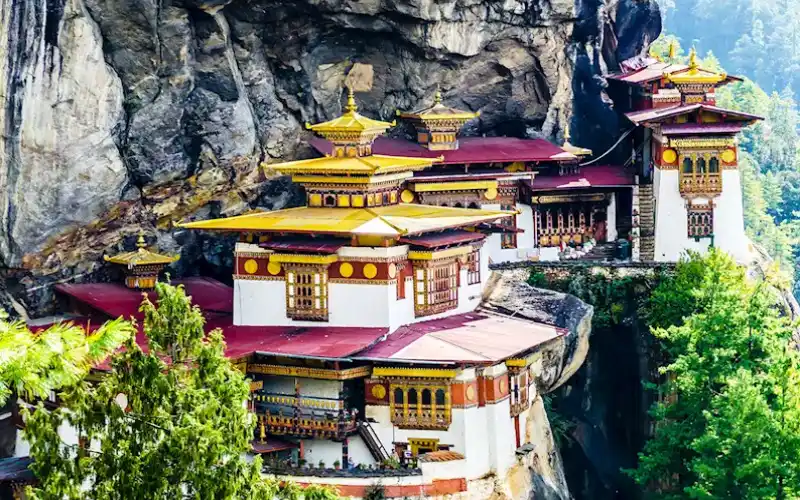
Tiger's Nest Monastery Travel Guide: Hik...
Complete Guide to visiting famous Tiger's Nest Monastery in Bhutan...
Read More
India Tour Package from USA: Complete Gu...
India Tour Package from USA: Complete Guide India is a country wher...
Read More
India Tour Package from UK: Everything Y...
India is one of the most intriguing travel destinations for UK tourist...
Read More
India Tour Package from Australia: Cost,...
Explore Incredible India with Namaskar India Tour Who doesn't w...
Read More