Orchha

Orchha

About Orchha

Orchha is known as the “Hidden Gem of Madhya Pradesh” and is one of India's most charming and historic places to visit, renowned for its magnificent palaces, ancient temples, historic cenotaphs and peaceful riverside environs. It is located on the banks of the river Betwa and was the capital of the Bundela kingdom, which existed there in the 16th century, when Rudra Pratap Singh of the Bundela Rajput founded it. Orchha is famous for its splendid medieval architecture which is a splendid reflection of the magnificence of the Bundela dynasty. Its most famous feature is the impressive Orchha Fort Complex, which houses Jahangir Mahal, Raja Mahal and Rai Praveen Mahal. It is also a popular pilgrimage site for the sacred Ram Raja Temple, where Lord Rama is revered as a king. Its historical and architectural beauty is complemented by the beautiful Chhatris (cenotaphs) along the Betwa River, the Chaturbhuj Temple and Laxmi Narayan Temple. You can experience the royal palaces, ancient temples, enjoy riverside sunset and get an insight into the traditional Bundeli culture and way of life while being in Orchha.


Best Time to Visit Orchha

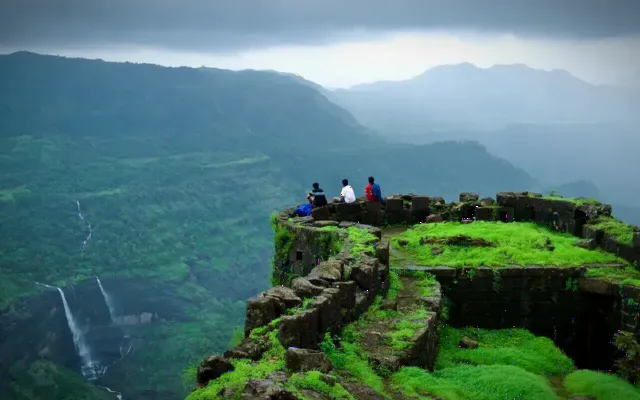
Orchha is best visited during the months of October to March, as the weather is pleasant and conducive to visiting historic sites, temples and enjoying the riverside attractions. Orchha Fort Complex is a perfect place to visit in the winter season, when you can enjoy beautiful cenotaphs and have peaceful walks along the river, Betwa. The monsoon season (July-September) is also a lovely time of the year for visiting, as the surrounding landscape becomes lush green and the Betwa River (and other waterfalls) are particularly scenic at this time of year. Outdoor sightseeing is not necessarily easy during the summer months (April-June) when temperatures can be very high.


Orchha: Places, Experiences & Food
Places to Visit in Orchha

  • Orchha Fort Complex
  • Jahangir Mahal
  • Raja Mahal
  • Rai Praveen Mahal
  • Ram Raja Temple
  • Chaturbhuj Temple
  • Laxmi Narayan Temple
  • Orchha Chhatris (Cenotaphs)
  • Phool Bagh
  • Sunder Mahal
  • Dinman Hardaul Palace
  • Betwa River
  • Betwa River Viewpoint
  • Orchha Wildlife Sanctuary
  • Lakshmi Temple Complex
  • Janki Temple
  • Hanuman Temple
  • Dauji Ki Haveli
  • Hardaul Vatika
  • Barua Sagar Fort


Things to Do in Orchha

  • Orchha Fort Complex
  • Architecture of Jahangir Mahal
  • Raja Mahal and admire its beautiful murals
  • Famous Ram Raja Temple
  • Chaturbhuj Temple
  • Sunset over the Betwa River
  • Walks along the riverside
  • Cenotaphs of the Bundela rulers
  • Evening aarti at Ram Raja Temple
  • River rafting and adventure activities on the Betwa River, when available
  • Orchha Wildlife Sanctuary and enjoy birdwatching
  • Heritage walk through the historic town
  • Beautiful murals and paintings at Laxmi Narayan Temple
  • Photography around the historic palaces and cenotaphs
  • Traditional Bundeli culture and local markets
  • Cycling through the scenic countryside
  • Beautiful Phool Bagh gardens
  • History of Raja Hardaul and the Bundela dynasty


What to Eat in Orchha

  • Bundeli Thali
  • Dal Bafla
  • Poha
  • Jalebi
  • Bhutte Ka Kees
  • Bedai and Aloo Sabzi
  • Kachori
  • Samosa
  • Dahi Vada
  • Aloo Tikki
  • Bhutte Ka Bharta
  • Baigan Bharta
  • Dal Puri
  • Kadhi Chawal
  • Chana Masala
  • Malpua
  • Rabri
  • Mawa Bati
  • Imarti
  • Ladoo


How To Get There

By Air

The nearest airport to Orchha is Gwalior, about 123 km away. Gwalior is connected to New Delhi by a direct flight service.

By Road

Orchha is on the Jhansi-Khajuraho road, so the main bus stop is in Jhansi. There are several public buses on this route.

By Rail

The nearest railway station is Jhansi in Uttar Pradesh. This station is connected to cities like New Delhi and Bhopal by regular trains. It takes about 17 km from Jhansi to Orchha.

The tourist sites to explore in the city of Orchha The heritage of Orchha through its attractions

Jahangir Palace 01

Jahangir Palace

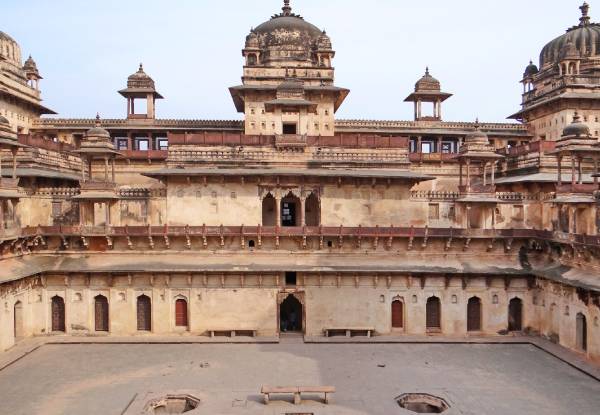
This palace-fort was built by King Bir Singh Deo in honor of the Mughal emperor Jahangir in the 17th century. This huge structure is a three-story building built with red and yellow sandstone. There are 236 rooms arranged around a central courtyard, 136 of which are underground. In fact, the floors go up or down in a random way, creating a visible spectacle. The huge bastions that stand at the four corners and a large wooden gate complete its fort-like aura. As a symbol of the deep friendship between the Mughals and the Bundelas, the palace reflects traces of Hindu and Islamic architecture. The domes, entrance doors, rooms, terraces, and corridors are some examples. The paintings of elephants highlight the Hindu heritage of the monument. This building was built on the banks of the Betwa River and surrounded by lush green forests. It also has a camel stable in its compound. It was originally dedicated to Emperor Jehangir, but it is said that he stayed there less than a night. The palace is now being conserved by the Madhya Pradesh Department of Archaeology.

The Raj Mahal 02

The Raj Mahal

The Raj Mahal is a majestic palace that reflects a blend of Rajput and Mughal architecture. It is particularly notable for its striking stone jaali work. It houses two audience halls, the Durbar-e-Khas and thus the Durbar-e-Aam, which resonate with the remnants of their past grandeur. Every year, thousands of tourists from all over the world visit the Raj Mahal. On the highest floor, one can marvel at the remains of exquisite mirror work on the walls. The rays of the sun falling on these mirrors create a surreal effect and illuminate the entire room. The palace was once the sumptuous home of royalty and is distinguished by its elevated balconies. This architectural genius is particularly noticeable in the different floors that are connected by rising paths that are proportional steps on all four sides. The entire structure of the palace has towers and a domed pavilion. The structure of the palace has towers and a domed pavilion. From the 16th century, King Rudra Pratap Singh started building the Raj (Raja) Mahal. It was completed only in the 17th century, during the reign of Madhukar Shah, father of Bir Singh Deo, of the Bundelkhand dynasty. You can also visit the Sheesh Mahal, another attraction located nearby.

Ram Raja Temple 03

Ram Raja Temple

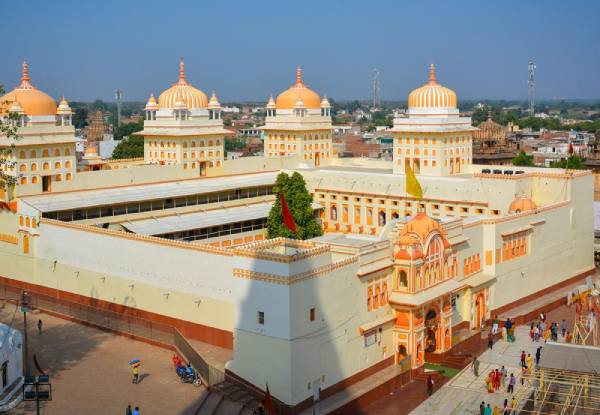
It looks like a palace and is often the only temple in India where Lord Rama is worshipped as a king. The large peach-colored building with domes was once the palace of Queen Ganesh Kumari, the wife of King Madhukar Shah, the ruler of Orchha. It was called Rani Mahal at that time. The queen was in love with Lord Rama and wished to have his idol installed in her palace. She wished to bring back the deity in the form of a boy and went on a pilgrimage to Ayodhya, the birthplace of the lord. Lord Rama is said to have been satisfied with her prayers and agreed to return to Orchha with her on one condition: in accordance with the beliefs, he declared that he would not move from one temple to another and that he would always remain at the place where she had initially installed the idol. The palace thus became a temple of the lord.

Travel Journal

Stories, Secrets, And Insights To Inspire Your Next Adventure

Travel tips, detailed itineraries and cultural insights from our team in Jaipur — everything you need to plan your perfect India journey.

01/ 10 All stories
Travel by Interest

From Culture To Adventure — Find The Journey That Matches Your Soul