About Nanded
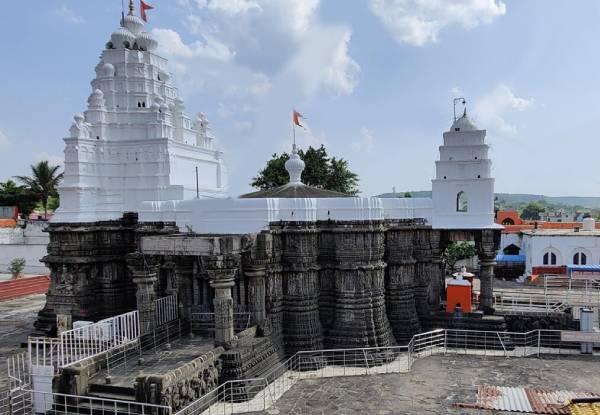
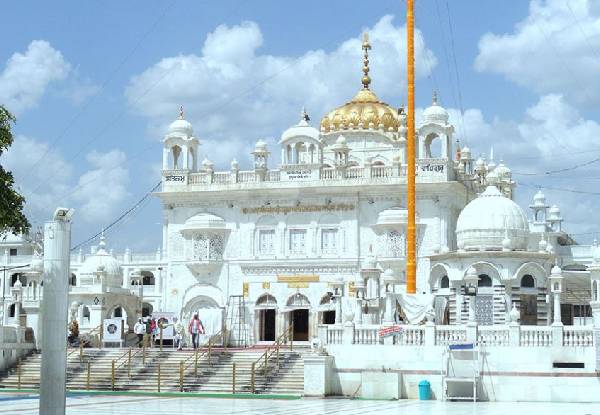
Nanded is a historic town in Maharashtra on the banks of the Godavari River, with some of the most important Sikh heritage sites, ancient temples, historic sites and cultural traditions. It is one of the major pilgrimage centres of the region and is also a popular destination for those interested in spirituality, history and architecture. Hazur Sahib is one of the most significant Sikh pilgrimage sites, located in Nanded. It is an important Sikh faith and heritage place of worship, and the magnificent gurdwara is located at this site, associated with Guru Gobind Singh, the tenth Sikh Guru. The complex features impressive architecture, a peaceful atmosphere and beautifully maintained religious spaces.
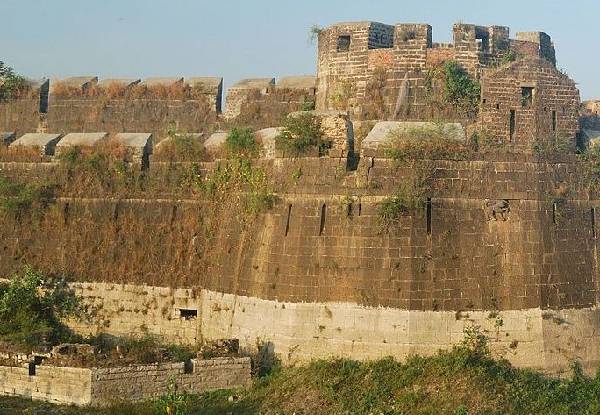
The city also has linkages with the broader history of Maharashtra and the Deccan region. Nanded is known for its historic temples, forts and religious sites, and the Godavari River lends the city its scenic nature. Religious traditions, local markets, regional cuisine and festivals are a reflection of Nanded's cultural identity. The city does provide a chance to experience the Sikh heritage as well as the varied cultural traditions of Maharashtrian people. Nanded offers a mix of religious and historical landmarks, scenic river views, and cultural events, making it a captivating place for pilgrims and history buffs to explore the spiritual and historical heritage of eastern Maharashtra.
Best Time to Visit Nanded
October to February is the best time to visit Nanded as the weather is relatively nice, with a relatively dry climate, so that you can enjoy sightseeing and visit the various temples, gurdwaras and historic sites of the city. Winter is a great time to explore the city and surrounding areas.
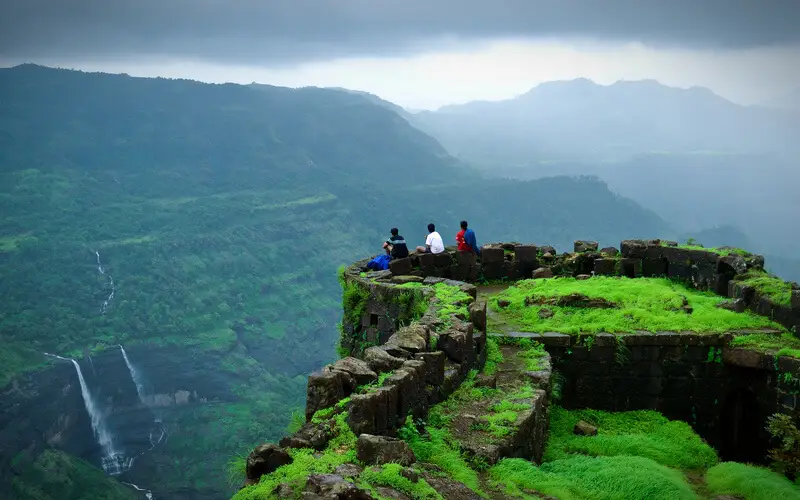
Springtime (March to May) is hot, particularly in the afternoon, but in the early morning or evenings it is good for sightseeing. The monsoon season from June to September brings green and rain to the region. Nanded is open to visitors all year round, with pilgrims visiting en route to Hazur Sahib. The winter season, however, tends to be more enjoyable for visiting religious sites, as well as touring the city and its surrounding attractions.
Nanded: Places, Experiences & Food
Places to Visit in Nanded
- Hazur Sahib Gurdwara
- Takht Sachkhand Sri Hazur Sahib
- Nanded Fort
- Kaleshwar Temple
- Kandhar Fort
- Siddheshwar Temple
- Unkeshwar Hot Springs
- Godavari River
- Hottal Temple
- Mahur
- Renuka Devi Temple
- Aundha Nagnath Temple
Things to Do in Nanded
- Sacred Hazur Sahib Gurdwara
- Historic Takht Sachkhand Sri Hazur Sahib complex
- Sikh history associated with Nanded
- Peaceful atmosphere along the Godavari River
- Visit the historic Nanded Fort
- Explore ancient temples in and around the city
- Take a trip to Kandhar Fort
- Visit the temples and heritage sites of Mahur
- Local markets and traditional shopping areas
- City's religious festivals and traditions
- Cultural heritage of the Deccan region
- Nearby pilgrimage destinations
- Local architecture and historic neighbourhoods
- Taste traditional Maharashtrian cuisine
- Day trip to nearby temples and historical attractions
What to Eat in Nanded
- Misal Pav
- Vada Pav
- Sabudana Khichdi
- Sabudana Vada
- Poha
- Thalipeeth
- Bhakri
- Pithla Bhakri
- Varan Bhaat
- Bharli Vangi
- Zunka Bhakri
- Maharashtrian Thali
- Kanda Bhaji
- Batata Vada
- Puran Poli
- Shrikhand
- Basundi
- Jalebi
- Local Maharashtrian Sweets