Mahabalipuram Tour – Explore Shore Temple, Rock Cut Temples & Beaches
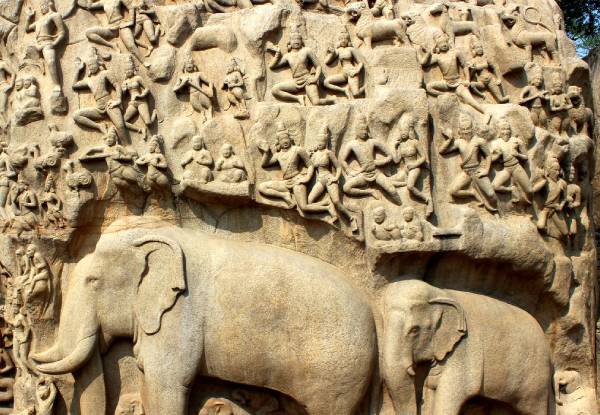
Sitting along the Coromandel Coast of the Bay of Bengal, the seaport town of Mamallapuram or Mahabalipuram, in Tamil Nadu , may be a beautiful beach destination that’s slowly becoming the surfing hub of the country. Speckled with several UNESCO World Heritage Sites, courtesy of the traditional Pallava dynasty (3rd – 9th century BC), who were great patrons of art and crafts, Mamallapuram holds a baffling visual treat around every corner. Its awe-inspiring cave temples, sculptures and monuments leave one marvelling at the skill of the craftsmen of that point . With its striking bas reliefs and rock-cut temples, Mamallapuram is practically an open-air museum. Many of the temples, built with granite, relate the stories from the Hindu epic Mahabharata. Once a thriving port, Mamallapuram is now a UNESCO World Heritage Site complex, also famous for its seashell jewellery, seafood, cafes and markets and a wide ranging ocean-front. While you’ll soak in history visiting various historical sites, Mamallapuram’s pristine beaches fringed by lush groves with a warm sun, invite surfers. With perfect sea waves between June and September, the beaches host surfing training sessions conducted by experts. The town is additionally a serious stopover for visitors coming from Chennai and Puducherry.
Mahabalipuram was a well-established seaport between the 7th and therefore the 10th centuries. It earned its name for the legend of demon king Mahabali being killed at the location by Lord Vishnu. appropriated by the kings of the Pallava dynasty, who shifted their capital from Kanchipuram to Mamallapuram, giving glory to king Narasimhavaranam, who was bestowed with the title of “Mammala” for his wrestling skills. During the rule of the Pallavas, many great artists, dancers, poets, writers found an edge here and left their mark. The Pallavas made Mamallapuram a hub where they emerged as pioneers of latest sorts of art and architecture, making good use of their resources. However, the ingenuity of the Pallavas remained hidden from the planet for hundreds of years . When the region received its justifiable share of the limelight, it quickly became popular for its architectural marvels, gorgeous beaches, absolute serenity and mesmerising temples, and to not mention the fascinating legends of the Pallavas.
Best Places to Visit in Mamallapuram
-
Arjuna's Penance
-
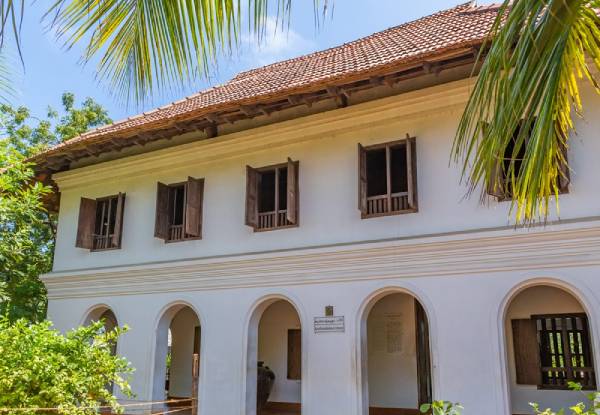
DakshinaChitra Heritage Museum
-
Krishna Mandapam
-
Krishna's Butter Ball
-
Mahishasuramardini Cave Temple
-
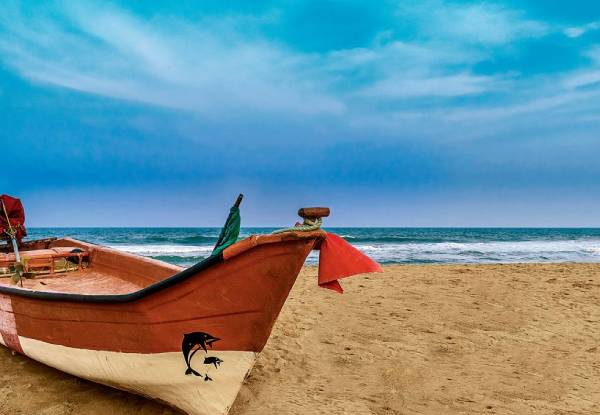
Mamallapuram Beach
-
Open-Air Museum
-
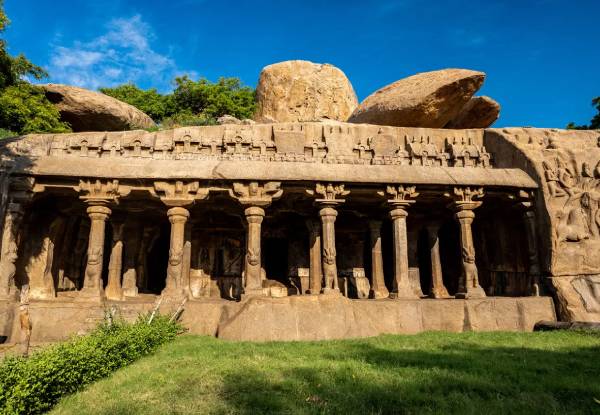
Panchapandava Mandapam
-
Shore Temple
-
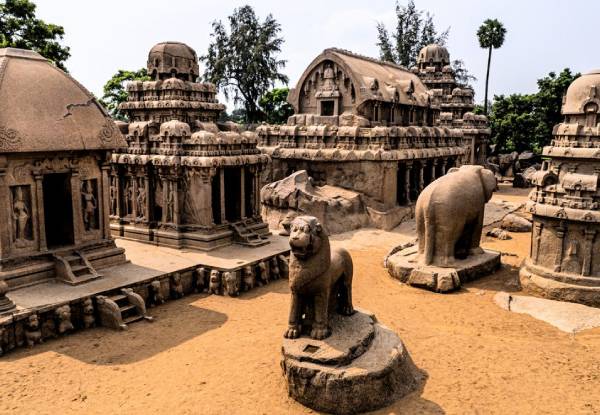
The Panch Rathas
-
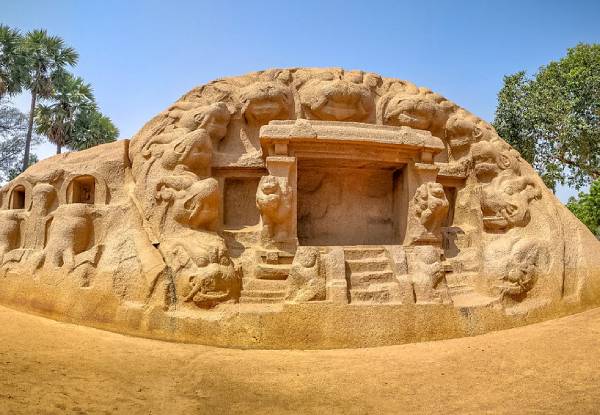
Tiger Caves
-
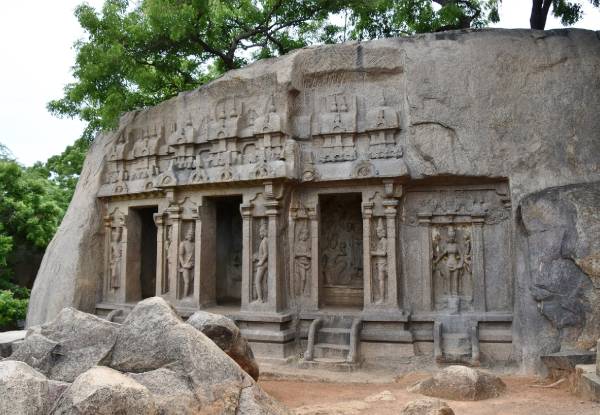
Trimurti Cave Temple
-
Varaha Cave Temple
Things to Do in Mamallapuram
- Explore UNESCO monuments
- Watch sunrise at Shore Temple
- Photography tour
- Beach walk
- Try local seafood
- Visit sculpture workshops
- Combine with Chennai sightseeing
FAQ
Why is Mahabalipuram famous?
Mahabalipuram is famous for UNESCO World Heritage monuments, Shore Temple, rock-cut sculptures and Pallava architecture.
How many days are enough for Mahabalipuram?
One or two days are enough to explore major attractions.
What is the best time to visit Mahabalipuram?
October to March is generally the most comfortable period for sightseeing.
How far is Mahabalipuram from Chennai?
Mahabalipuram is a popular road trip destination from Chennai.